
Introducing Solids Isn’t About Getting Food In — It’s About Letting Go
If you’re anywhere between 4–12 months postpartum, you’ve probably realized something about starting solids that no one fully prepared you for:
It’s… weirdly emotional.
You thought it would be about food — but suddenly you’re worrying about choking, allergies, how much they’re eating, how much is on the floor, whether you’re “doing it right,” and why everyone on the internet seems very confident about their approach.
Here’s the reframe we talk about in Parent Foundations:
👉 Starting solids isn’t about control. It’s about trust.
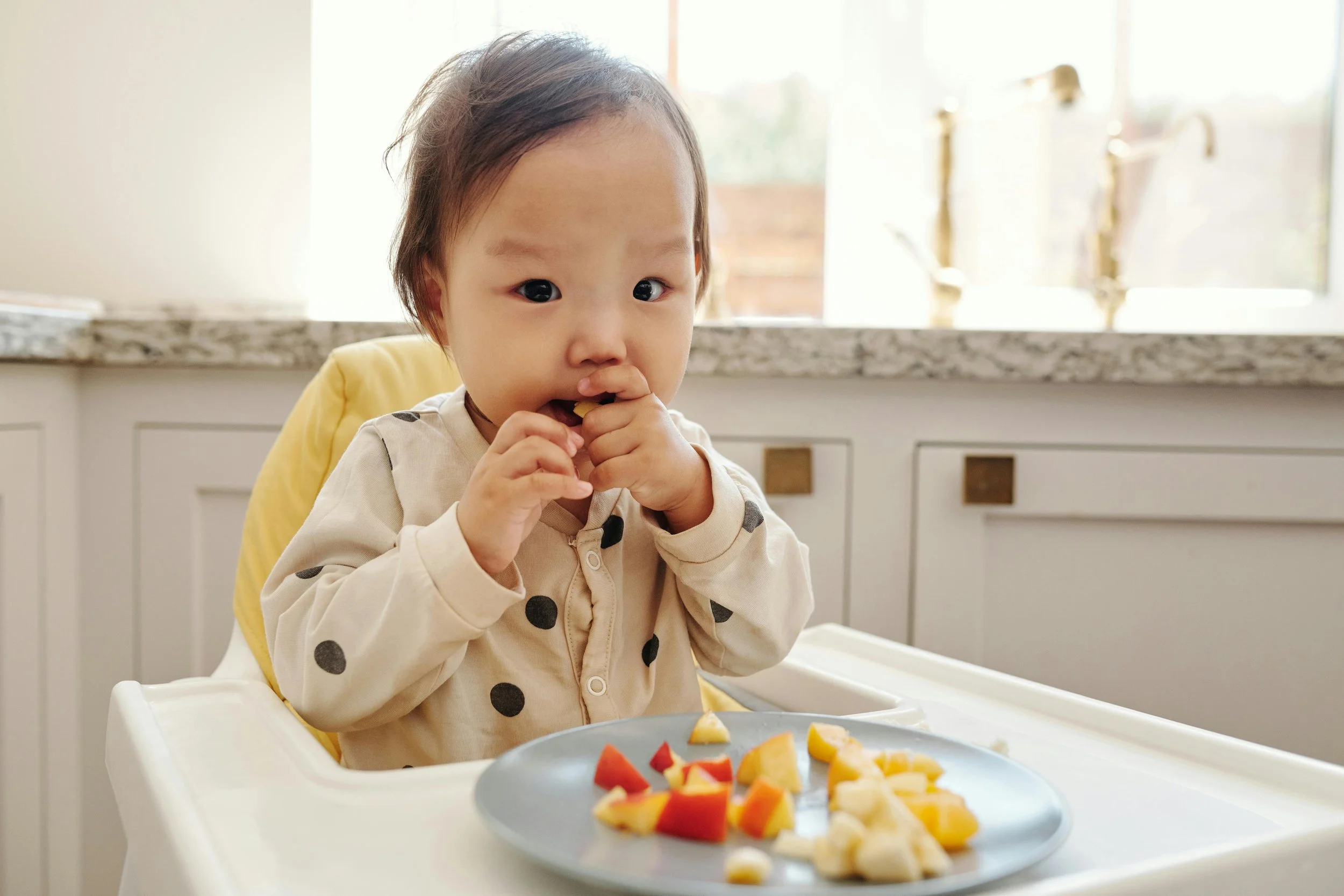
What’s Actually Happening When Babies Start Solids
Between about 6–12 months, babies are doing something huge developmentally:
Transitioning from milk to food
Learning how their body feels when it’s hungry or full
Developing motor skills, coordination, and cause-and-effect
Practicing independence (sometimes very messily)
That moment when your baby grabs avocado, squishes it, stares at their hand, and maybe gets it near their mouth?
That’s not “playing with food.”
That’s learning.
Readiness > Age
One of the biggest stressors we see? Parents feeling pressure to start solids “on time.”
In reality, readiness matters more than the calendar.
Common signs your baby may be ready:
Good head and neck control
Sitting with support
Interest in food (watching you eat, reaching, opening their mouth)
Less tongue-thrust reflex
And yes — readiness can look different from baby to baby. That’s normal.
There’s No One “Right” Way to Start
In Parent Foundations, we talk through the options — not rules.
Some families start with:
Purees & spoon-feeding
Baby-Led Weaning (BLW)
A combination of both (very common, very valid)
The goal isn’t choosing the “best” method.
The goal is supporting exploration without pressure.
Babies are actually very good at regulating their intake — until we override that with stress, urgency, or distraction.
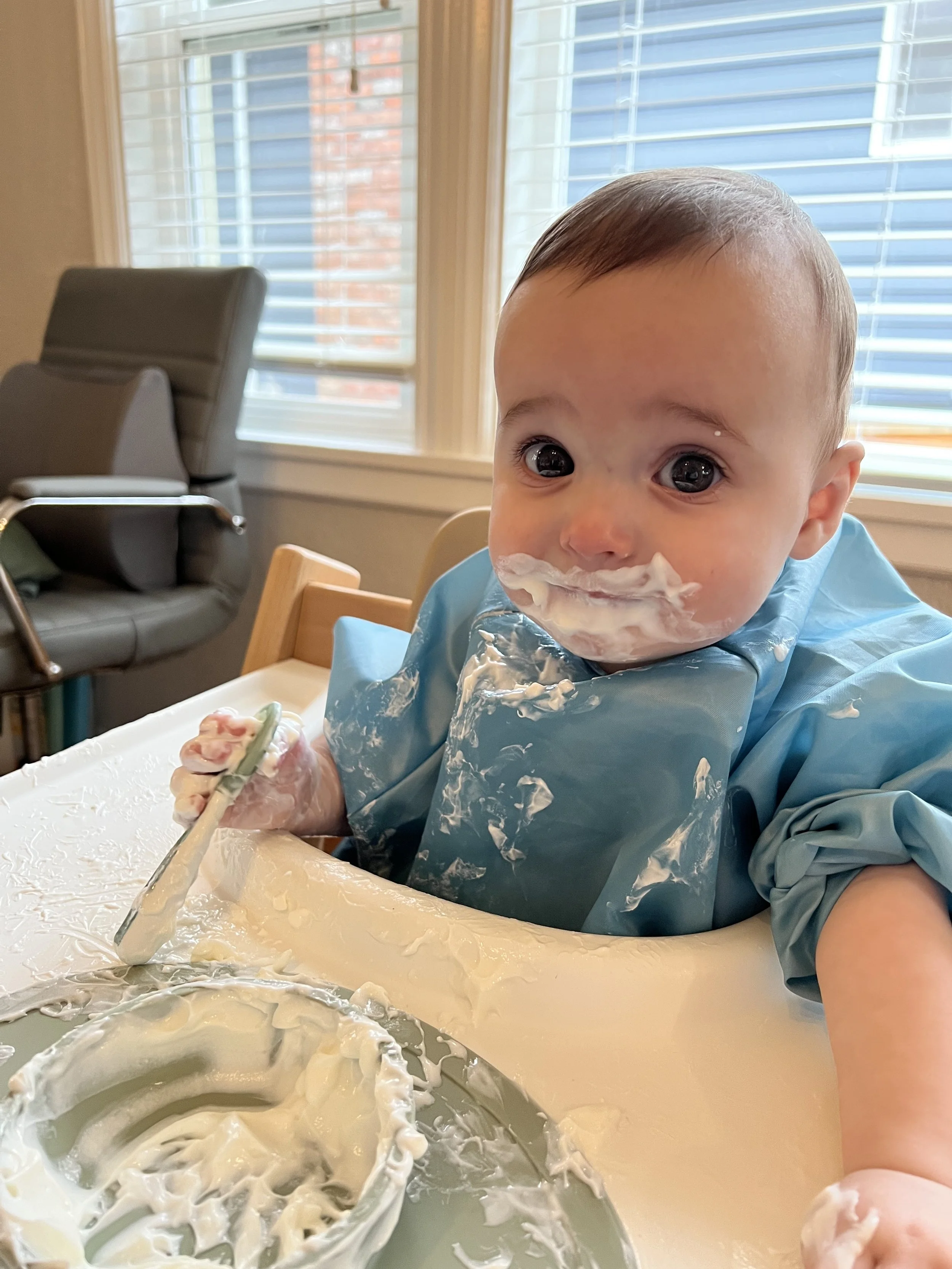
The Hard Part No One Talks About
Mealtimes can be:
Slow
Messy
Unpredictable
Emotionally charged
You might feel proud one moment and totally overwhelmed the next.
That doesn’t mean you’re doing anything wrong.
It means you’re parenting a human who’s learning a brand-new skill — and you’re learning right alongside them.
This is where community matters.
When parents hear:
“Oh wow, us too.”
“That happened at our house last night.”
“We struggled with that exact thing.”
Something shifts. The pressure eases.
One Small Shift to Try This Week
Instead of focusing on how much your baby eats, try noticing:
What they explored
What textures they tolerated
One moment that felt connected
Progress over perfection — always.
And if you’re thinking:
“I wish I could talk about this with other parents who actually get it…”
That’s exactly what Parent Foundations is for.
✨ This is just a peek at what we unpack together — with space for questions, real stories, and zero judgment.
Curious what these conversations sound like in real life?
Read more about Parent Foundations and how to join us → HERE