Fine Motor Development in Babies and Toddlers: Why the Mess Matters
When a nine-month-old spends fifteen minutes dropping objects off a surface and watching them fall, most parents start wondering if they should intervene. They should not. That baby is doing physics.
Every drop is a hypothesis: what happens when I release this? Every result is data. The repetition is how the hypothesis becomes a fact. This is how fine motor development actually works, through exploration, cause and effect, and hands that are constantly at work.
Why Fine Motor Development Starts Earlier Than You Think
Fine motor development doesn't begin when a child picks up a crayon. It begins in the first weeks of life, when a newborn grasps your finger with surprising strength. That grasp is the first data point in a years-long process of the hands learning what they can do.
0-7 Months: The Grasp That Starts Everything
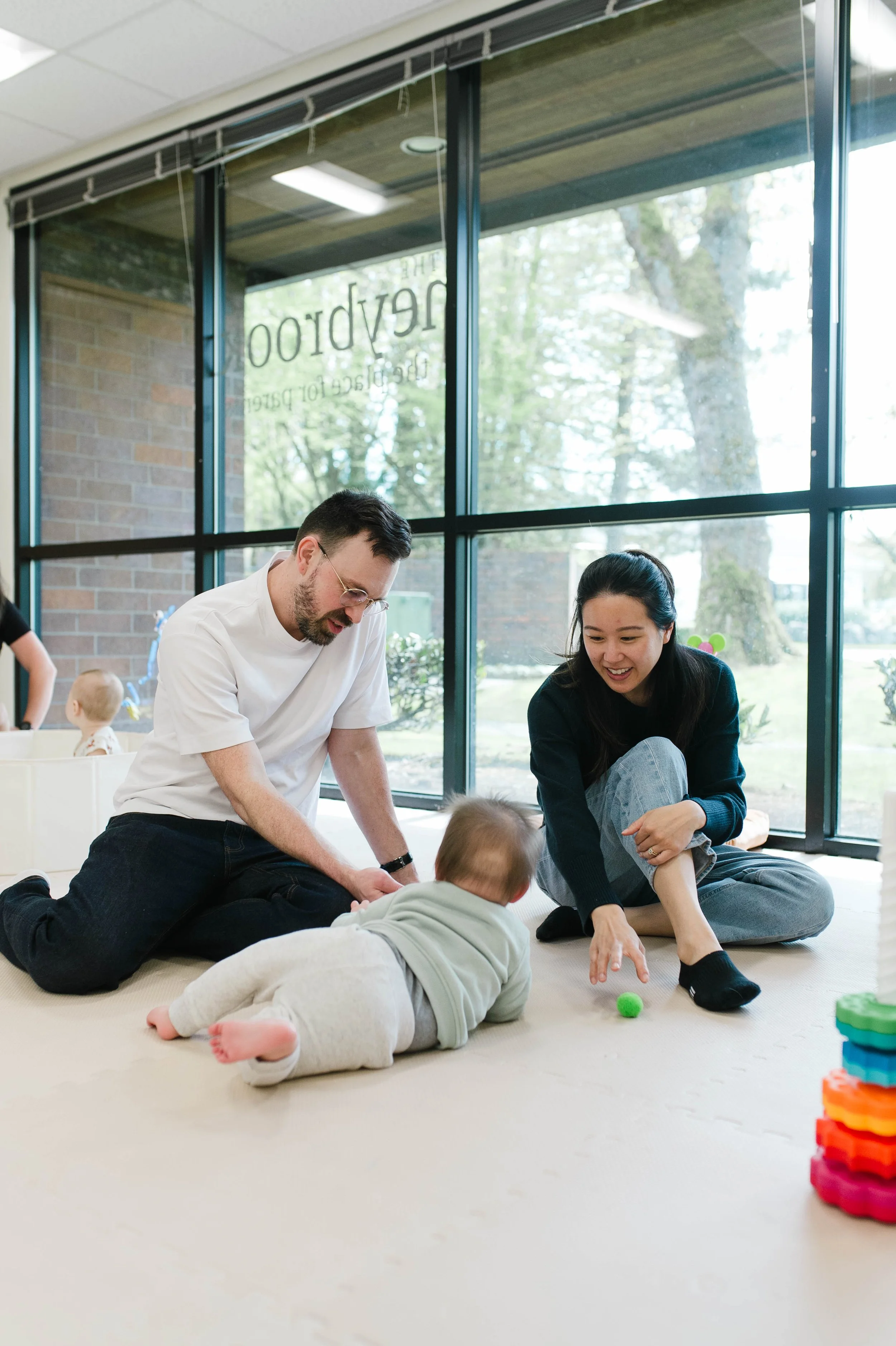
For Pre-Crawlers, fine motor work is about grasping and intentional reaching. When a baby grabs a scarf and pulls against gentle resistance, they're building palmar grasp and forearm supination. When they track a finger puppet and reach for it, that visually-guided reaching represents the integration of visual and motor systems. The moment a baby reaches toward a specific target is evidence of intentional, planned movement.
7-12 Months: The Scientist Stage
Crawlers are experimenters. Banging, shaking, dropping, nesting, and mouthing are all forms of scientific inquiry. Mouthing objects at this stage is not a bad habit. The mouth has more sensory receptors than the hands at this age, making it an extraordinarily efficient tool for learning about an object's texture, temperature, and hardness. Redirect from unsafe objects. Allow the rest.
12-24 Months: Building the Foundation for Writing
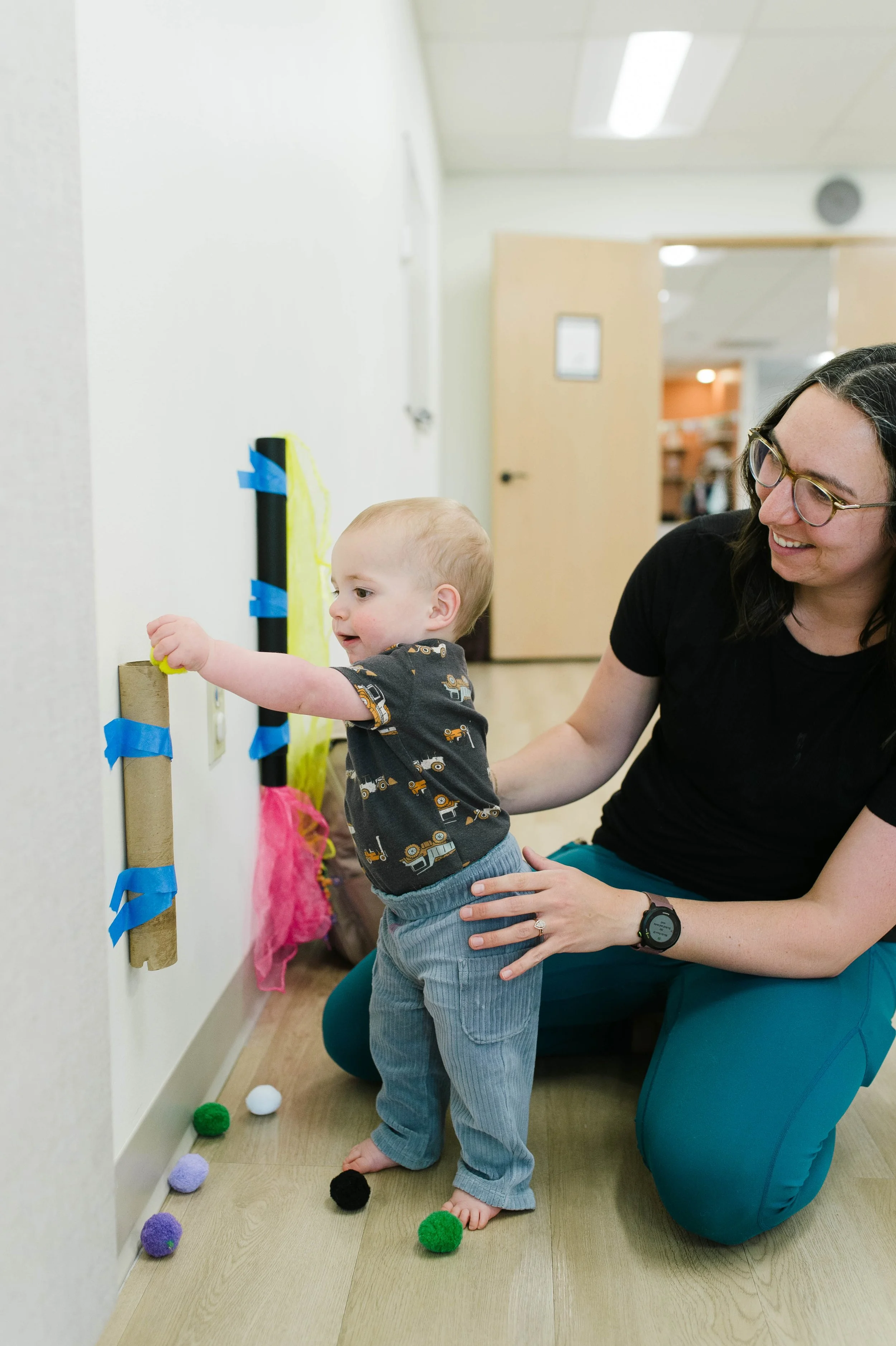
For Walkers, fine motor activities look like play and function like training. Peeling tape off a surface builds pincer grip and lateral pinch. Dropping pom-poms through a small opening builds visual-motor integration. Squeezing large clothespins builds the small intrinsic hand muscles that everything else runs on.
When a toddler spends twenty minutes at one of these activities, they are doing the most developmentally serious work of their day.
What Purposeful Play Does With This
In every Purposeful Play class, the fine motor activities are matched specifically to what each age group is ready for developmentally. Facilitators narrate what's happening so parents can see what the activity is building. Families leave with a clear picture of what to try at home the rest of the week.
Purposeful Play classes are enrolling now at our Seattle and Kirkland locations. Pre-Crawlers, Crawlers, and Walkers groups available. Rolling enrollment means you can start any week. JOIN US